Book Appointment Now

What a Home Inspection in South Africa Really Covers (SANS Explained)
Buying, selling, or maintaining a property is one of the biggest financial decisions most people will ever make. Yet many homeowners and buyers are unsure what a professional home inspection in South Africa actually covers — and how building standards influence the findings.
At COASTLINE PROPERTIES, our inspections are aligned with South African National Standards (SANS) and the National Building Regulations, ensuring assessments are objective, defensible, and focused on what truly matters.
This article explains what a proper home inspection should include, why SANS matters, and how it protects your investment.
What Is a Home Inspection?
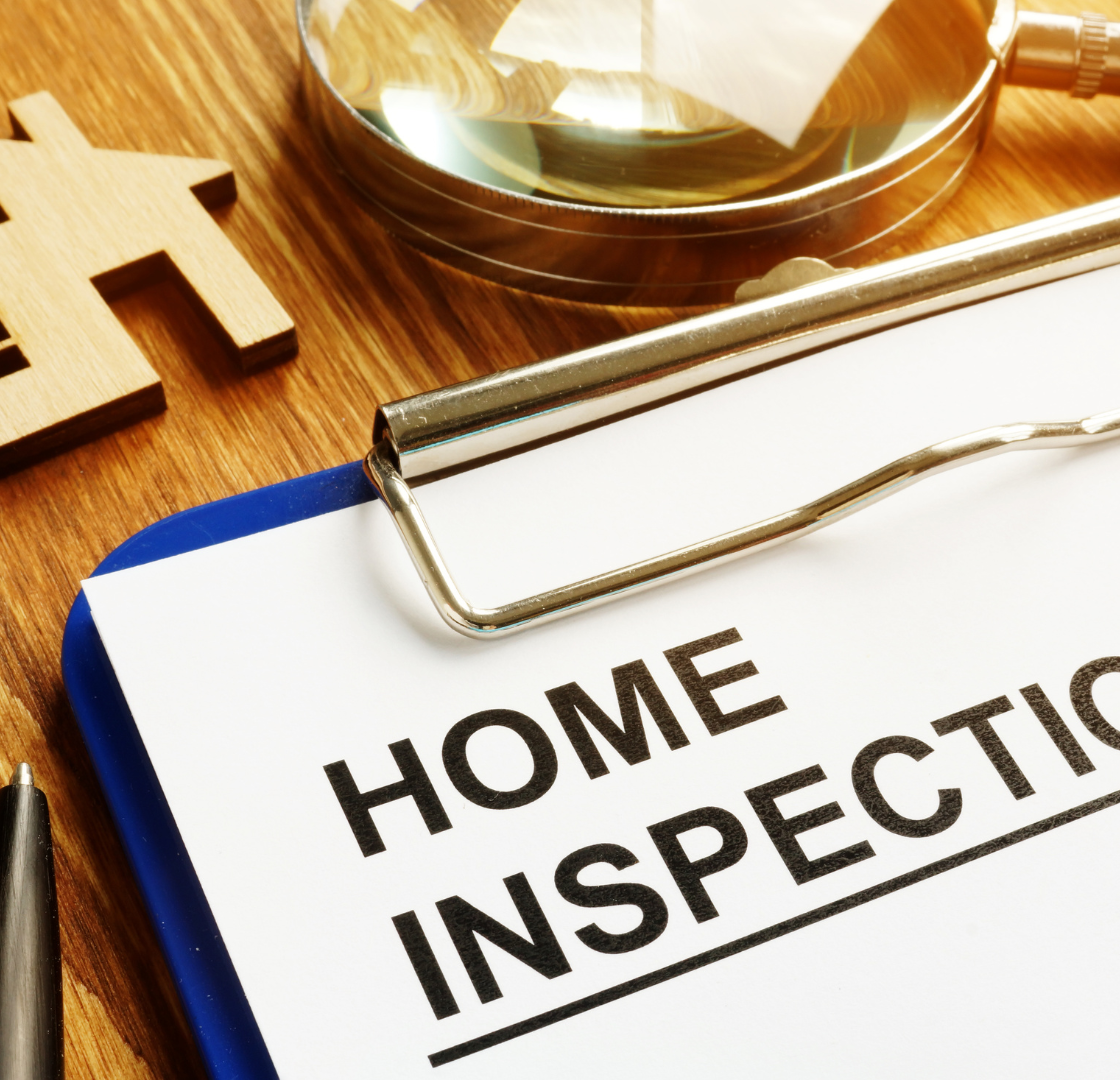
A home inspection is a non-invasive, visual assessment of a property’s condition at the time of inspection. The goal is to identify material defects, safety risks, workmanship issues, and maintenance concerns that could impact the property’s value, safety, or long-term performance.
Unlike a valuation or estate agent walkthrough, a professional inspection focuses on how the building actually performs — not how it looks.
Why SANS Standards Matter
In South Africa, building work is governed by the South African National Standards (SANS) and the National Building Regulations. These standards exist to ensure buildings are safe, durable, compliant, and fit for occupation.
When inspections are aligned with SANS:
- Findings are objective and defensible
- Risks are assessed against recognised benchmarks
- Buyers and owners are protected from hidden compliance issues
- Reports carry more weight in negotiations and dispute resolution
A proper inspection is not opinion-based — it is standards-based.
What a Home Inspection in South Africa Really Covers
1. Structural Integrity
(Aligned with SANS 10400 & SANS 10160)
Structural components are assessed for visible signs of risk, including:
- Cracking, movement, or settlement
- Load-bearing walls and columns
- Foundations and visible structural elements
- Signs of structural stress or poor workmanship
Why this matters:
Structural defects can be extremely costly and may compromise safety if left undetected.
2. Roof Structure & Waterproofing
(SANS 10400 & Recognised Waterproofing Best Practice)
Roofing and waterproofing are common failure points, especially in coastal environments.
Inspections typically assess:
- Roof covering condition (tiles, sheeting, membranes)
- Flashings, valleys, and penetrations
- Signs of water ingress or previous leaks
- Gutters, downpipes, and drainage flow
Why this matters:
Water ingress is one of the leading causes of long-term structural damage.
3. Electrical Safety & Visible Compliance
(SANS 10142-1 – Wiring of Premises)
Electrical systems are visually assessed for safety risks, including:
- Distribution boards and circuit breakers
- Earthing and bonding
- Visible wiring defects or unsafe installations
- Obvious non-compliance indicators
Why this matters:
Non-compliant electrical systems pose serious safety risks and may invalidate insurance or delay property transfers.
4. Plumbing, Drainage & Water Systems
(SANS 10252 & SANS 10254)
Plumbing inspections focus on visible systems and moisture-related risks:
- Leaks and water pressure issues
- Drainage performance
- Geyser installations and safety components
- Signs of damp, mould, or moisture ingress
Why this matters:
Plumbing failures can cause hidden structural damage and ongoing maintenance costs.
5. Moisture, Damp & Ventilation
Moisture assessments include:
- Rising damp and penetrating damp
- Condensation-related mould growth
- Poor ventilation in bathrooms, kitchens, and roof spaces
- Water ingress risks in walls and floors
Why this matters:
Moisture problems affect structural integrity, indoor air quality, and long-term property value.
6. Workmanship, Finishes & General Condition
Inspectors assess the overall standard of workmanship, including:
- Floors, walls, ceilings, and finishes
- Doors, windows, and joinery
- Visible defects or poor-quality repairs
- Signs of deferred maintenance
Why this matters:
Poor workmanship often indicates deeper hidden issues.
7. Safety & Compliance Risks
A home inspection also considers general safety concerns such as:
- Staircases, balustrades, and handrails
- Fire safety considerations
- Obvious hazards that may pose risk to occupants
What a Home Inspection Does NOT Cover
It’s equally important to understand the limitations of an inspection.
A standard home inspection does not include:
- Destructive testing
- Full electrical or plumbing certification
- Engineering or specialist testing (unless arranged separately)
- Underground or concealed elements
However, a good inspection will flag areas requiring further specialist assessment where necessary.
Why Inspections Should Be Solution-Driven
At COASTLINE PROPERTIES, our inspections are informed by decades of experience in maintenance and renovations. This means we don’t just identify issues — we understand:
- How defects should be resolved
- What repairs realistically cost
- How long remediation may take
- Whether issues are urgent or manageable
This practical insight ensures reports are clear, relevant, and actionable.
Who Should Get a Home Inspection?
A professional inspection is essential for:
- Home buyers (especially pre-purchase)
- Sellers preparing for market
- Property investors and landlords
- Homeowners planning renovations
- International buyers purchasing remotely
Final Thoughts
A proper home inspection in South Africa is far more than a checklist. When aligned with SANS standards, it becomes a powerful tool for risk reduction, informed decision-making, and long-term property protection.
Whether you’re buying, selling, or maintaining a property, clarity is critical — and that starts with a professional inspection you can trust.